Free Museum in Seoul That Beat the British Museum: National Museum of Korea Guide, Food & Must-Sees (2026)
 Yunjae
In 2025, the National Museum of Korea (국립중앙박물관) had 6.5 million visitors. That's more than the British Museum. Only the Louvre and the Vatican Museums had more.
And it's free. The permanent galleries don't need a ticket, you just walk in. Only some special exhibitions charge a fee.
Don't think free means boring, either. The permanent exhibition has some seriously amazing stuff.
It's also the best place to understand how Korea came to be. The permanent exhibition goes in order through Korea's history:
- Gojoseon (고조선): the first Korean kingdom
- The Three Kingdoms: Goguryeo (고구려) in the north, Baekje (백제) in the southwest and Silla (신라) in the southeast
- Unified Silla (통일신라): Silla brought most of the peninsula together in the 600s
- Goryeo (고려), 918–1392: the name "Korea" comes from Goryeo
- Joseon (조선), 1392–1897: the last dynasty, the one you see in K-dramas and at Gyeongbokgung (경복궁)
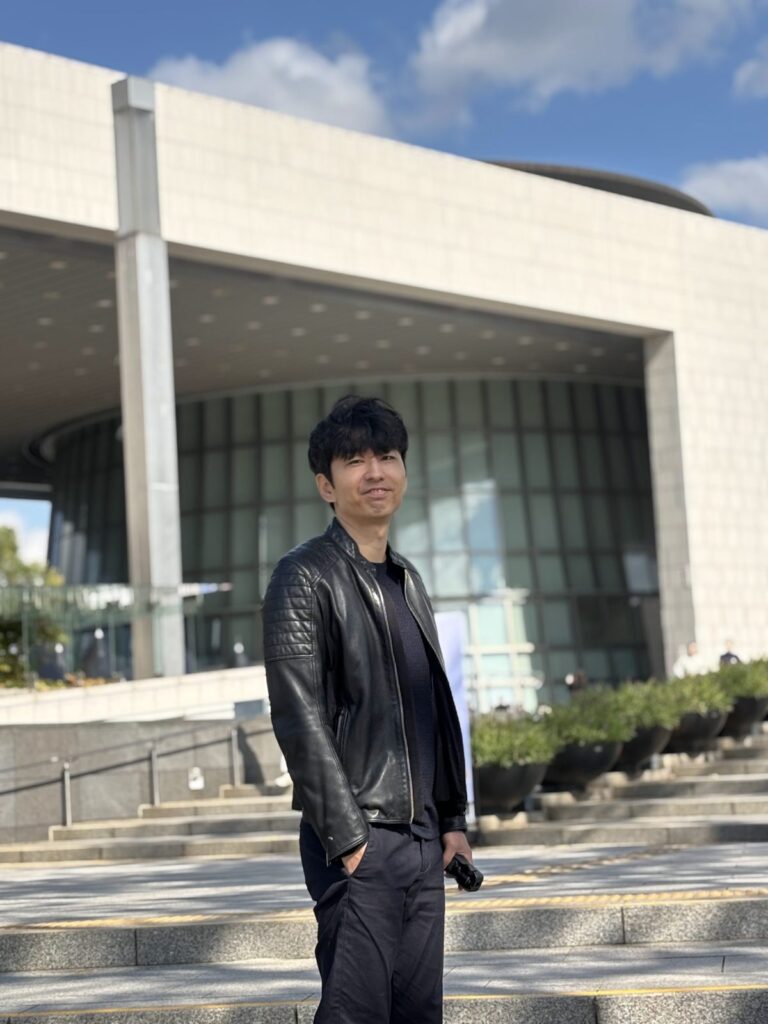
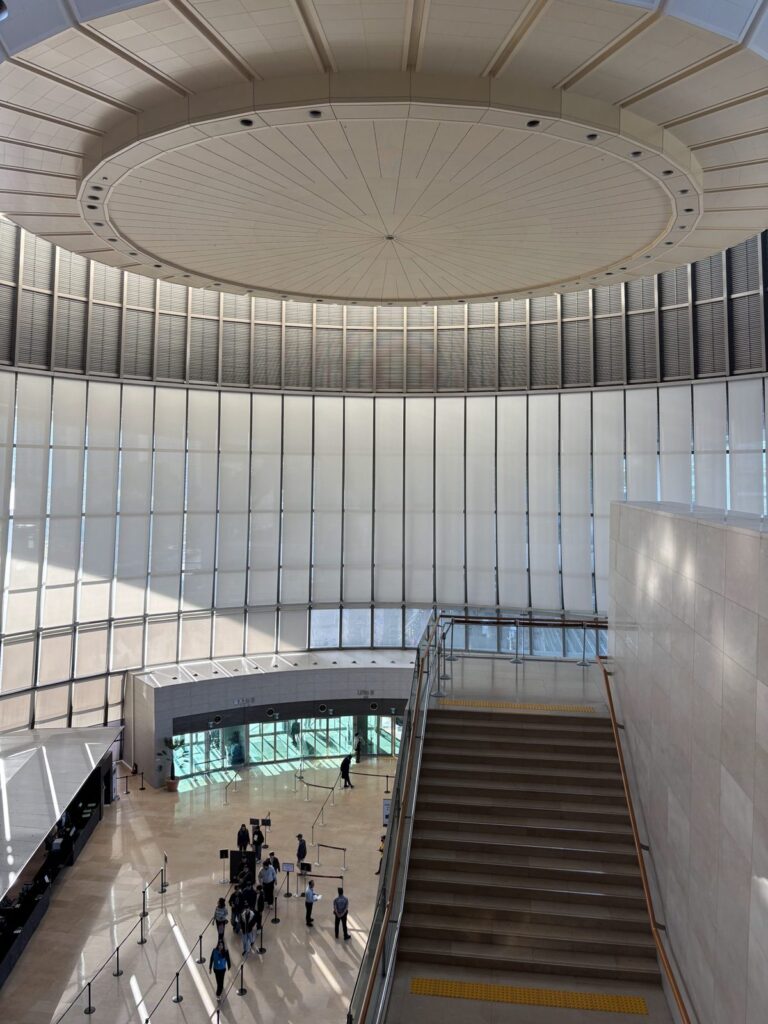
Quick info (2026)
- Price: Free (some special exhibitions are paid)
- Hours: 9:30am to 5:30pm. Wednesday and Saturday open until 9pm. Last entry is 30 minutes before closing.
- Closed: 1 January, Lunar New Year's Day and Chuseok day
- Address: 137 Seobinggo-ro, Yongsan-gu, Seoul (서울 용산구 서빙고로 137) · Google Maps
- Subway: Ichon Station (이촌역), Line 4 or Gyeongui-Jungang Line, Exit 2. An underground walkway takes you almost all the way to the museum.
- Water: There's a free water dispenser near the toilets, so you don't need to buy bottled water.
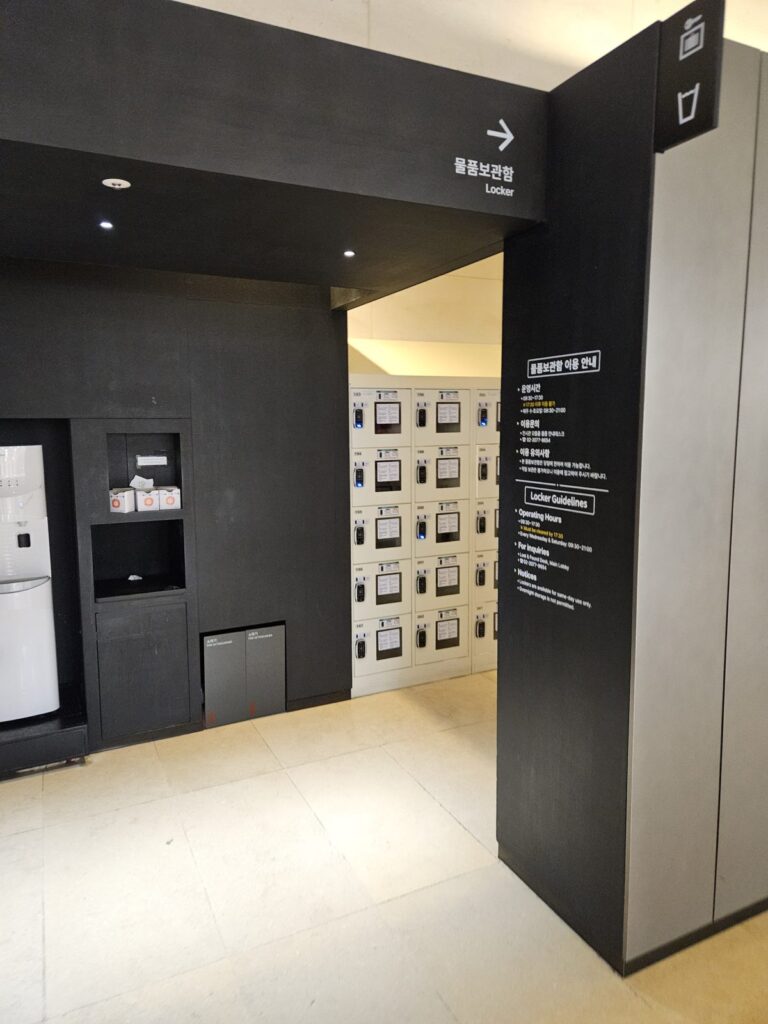
- Lockers: There are lockers inside if you're carrying bags.
Use the map: the gold ones are the main ones
Get a museum map. The artifacts marked in gold on it are the main pieces. If you only have an hour or two, just go from one gold one to the next.
What to see
Pensive Bodhisattvas (반가사유상)
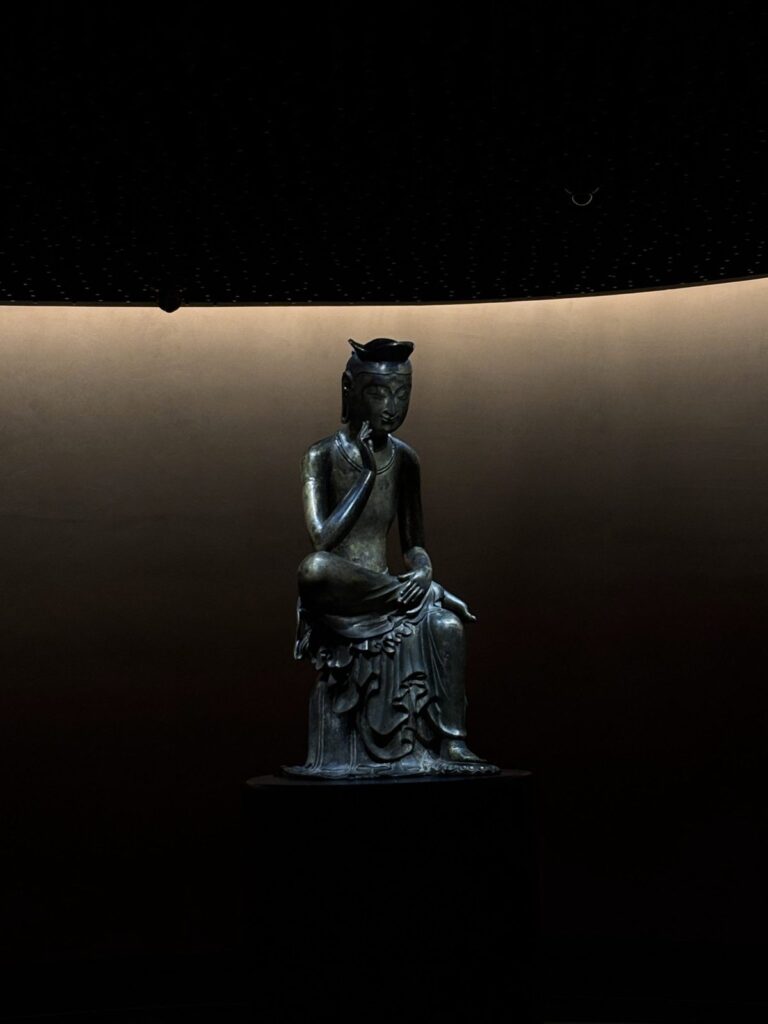
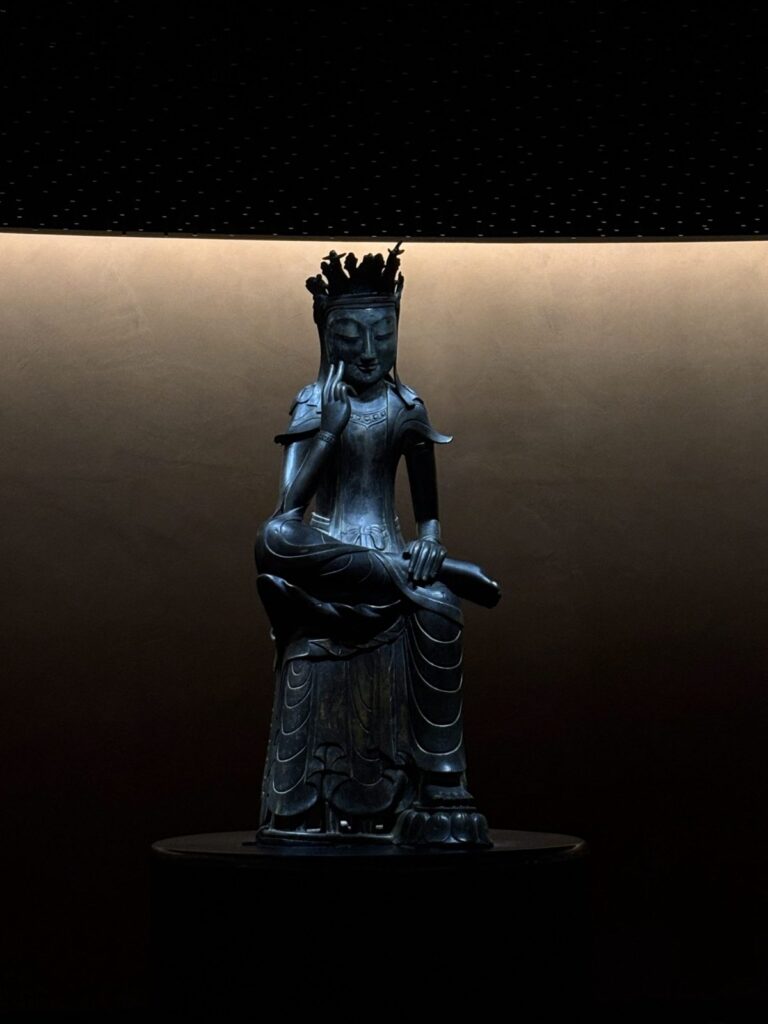
Two bronze statues, about 1,400 years old, in a dark room on their own called the Room of Quiet Contemplation (사유의 방).
Just stand there and space out. Look at the curves, and the eyes that are half closed. On a weekday it's usually pretty quiet unless a school trip comes through. It's a good place to stop and think for a while.
Silla Gold Crown (신라 금관)
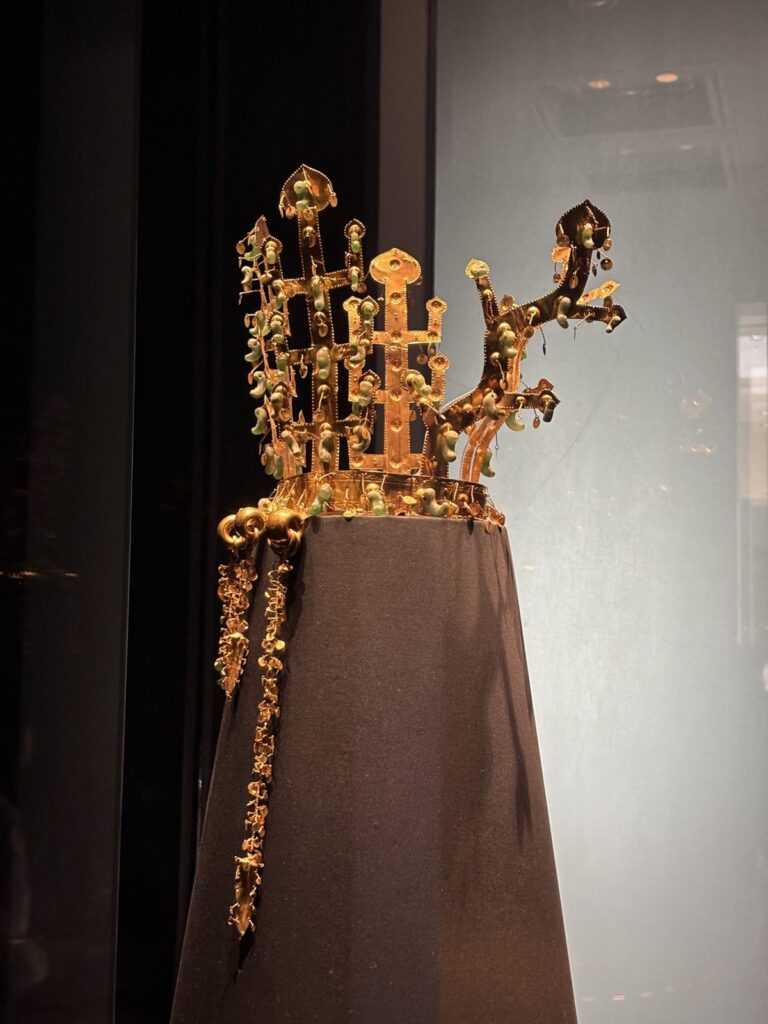
This is my favorite. The Pensive Bodhisattvas are great, but with the crown I just keep staring. The detail is crazy, and it was made about 1,500 years ago.
King Muryeong and his Queen's Gold Crown Ornaments (무령왕 부부 금제 관꾸미개)
A pair of gold ornaments, one for the king and one for the queen, from King Muryeong's tomb (무령왕릉) in the Baekje kingdom, 6th century. They're thin gold shaped like flames, and they used to be attached to the couple's caps.
I left a few photos out on purpose, so you can see this one in person when you go. Trust me, they're really beautiful.
Baekje Gilt-bronze Incense Burner (백제 금동대향로)
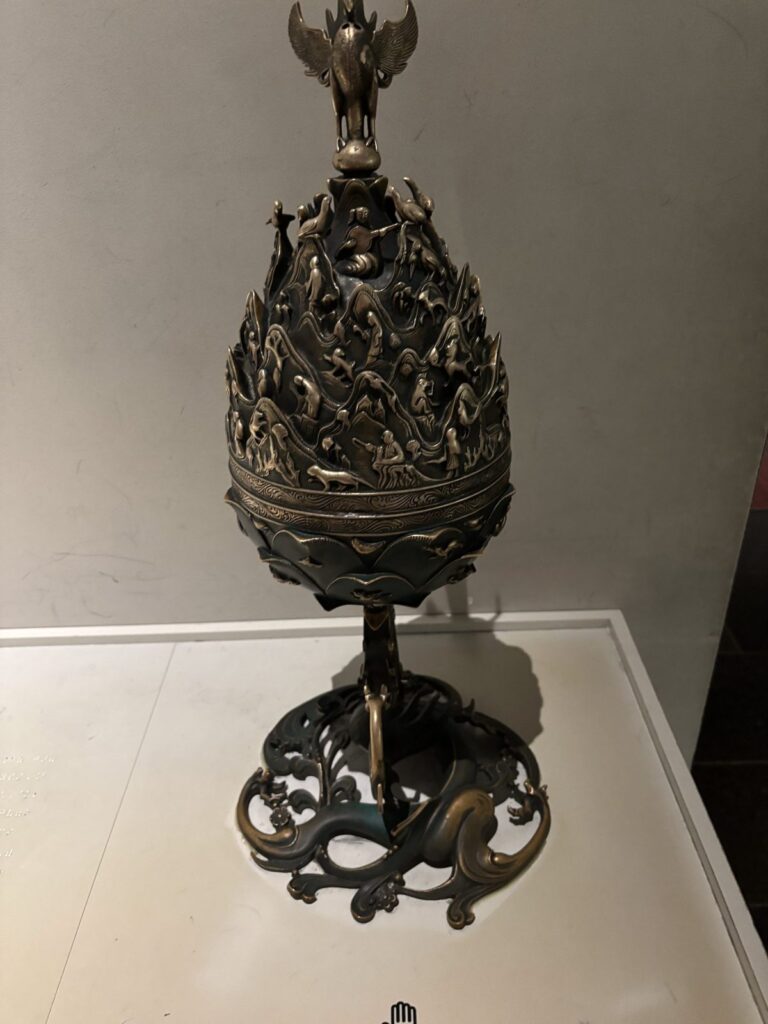
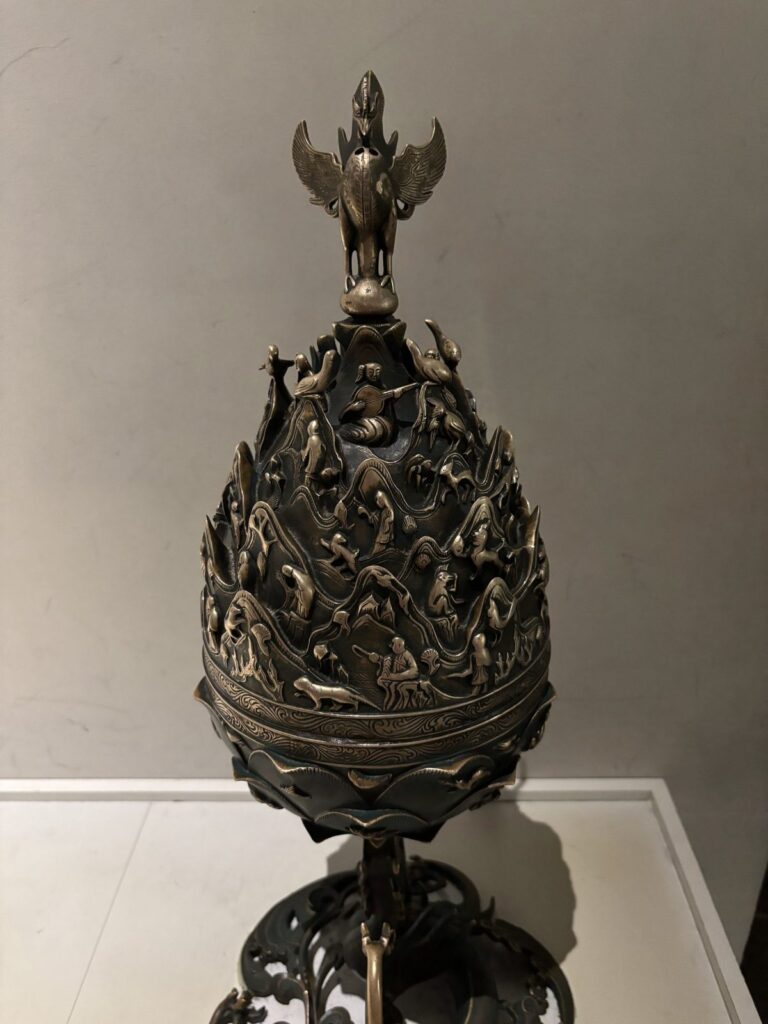
The real one is at Buyeo National Museum (국립부여박물관). In Seoul they have a copy you can actually touch. Run your hand over it and feel the mountains, animals and the phoenix on top.
On the way
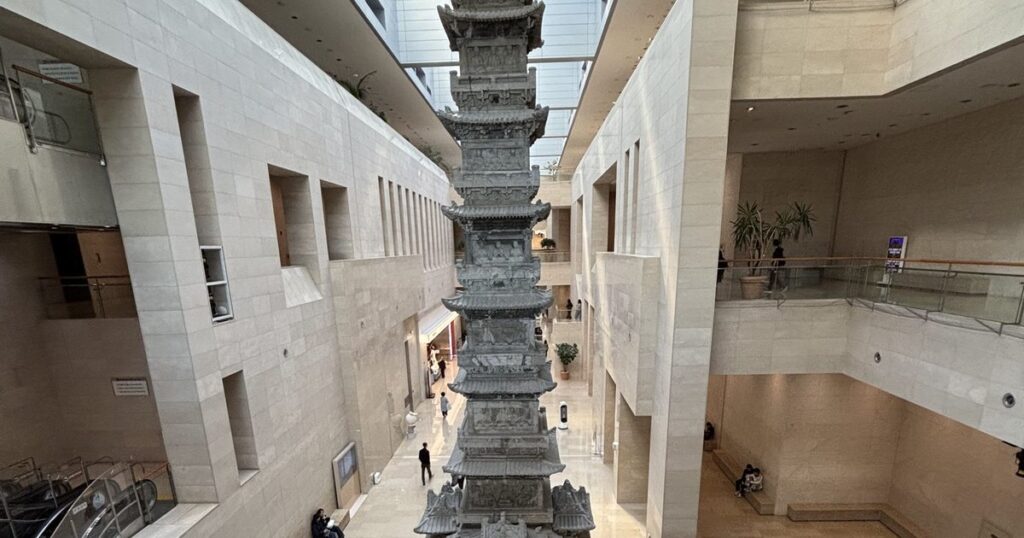
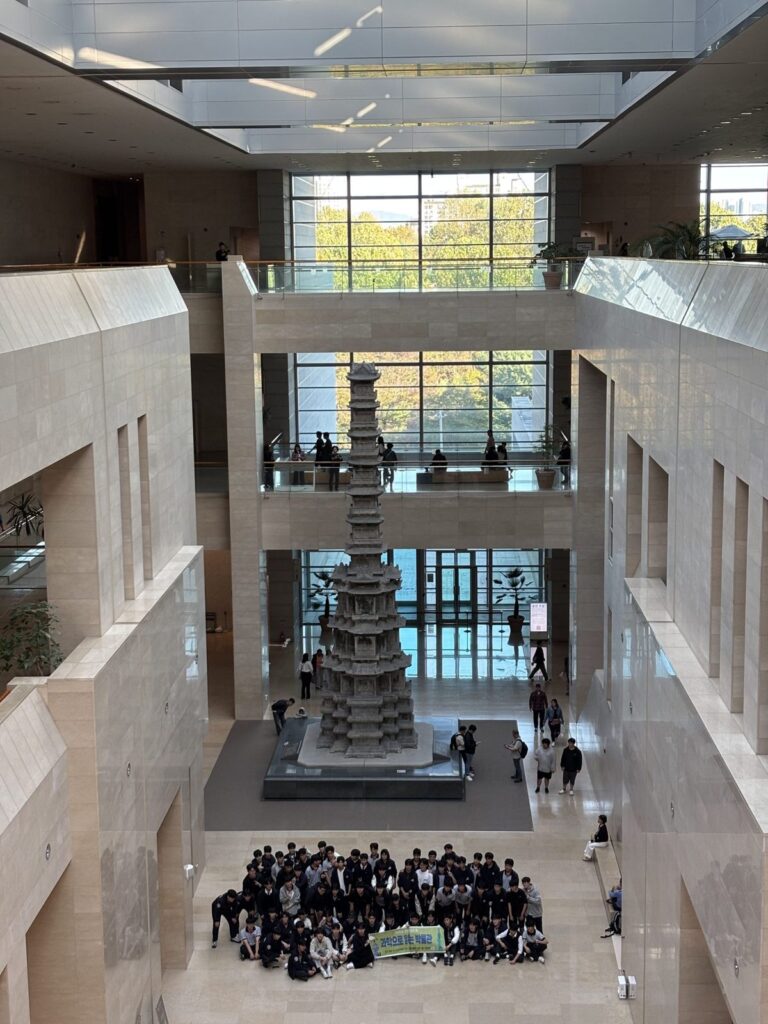
- Ten-story stone pagoda (경천사 십층석탑): It stands inside the main hall. Go up to the 2nd floor and you can see the top part up close. There are benches there too, so you can sit and look.
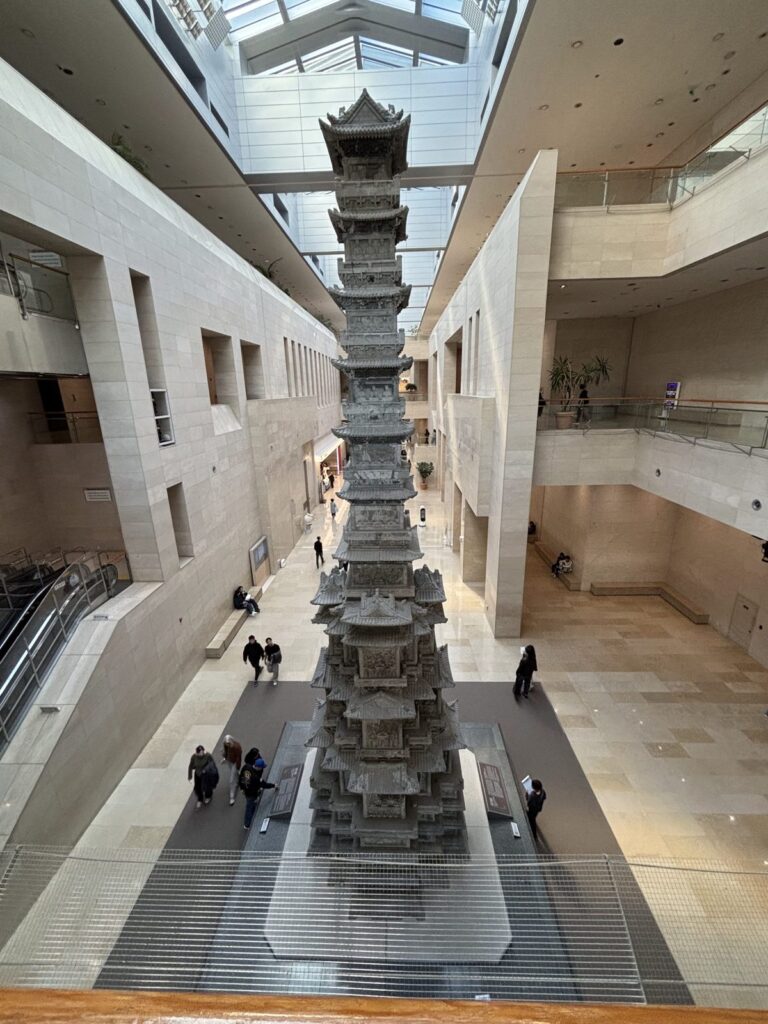
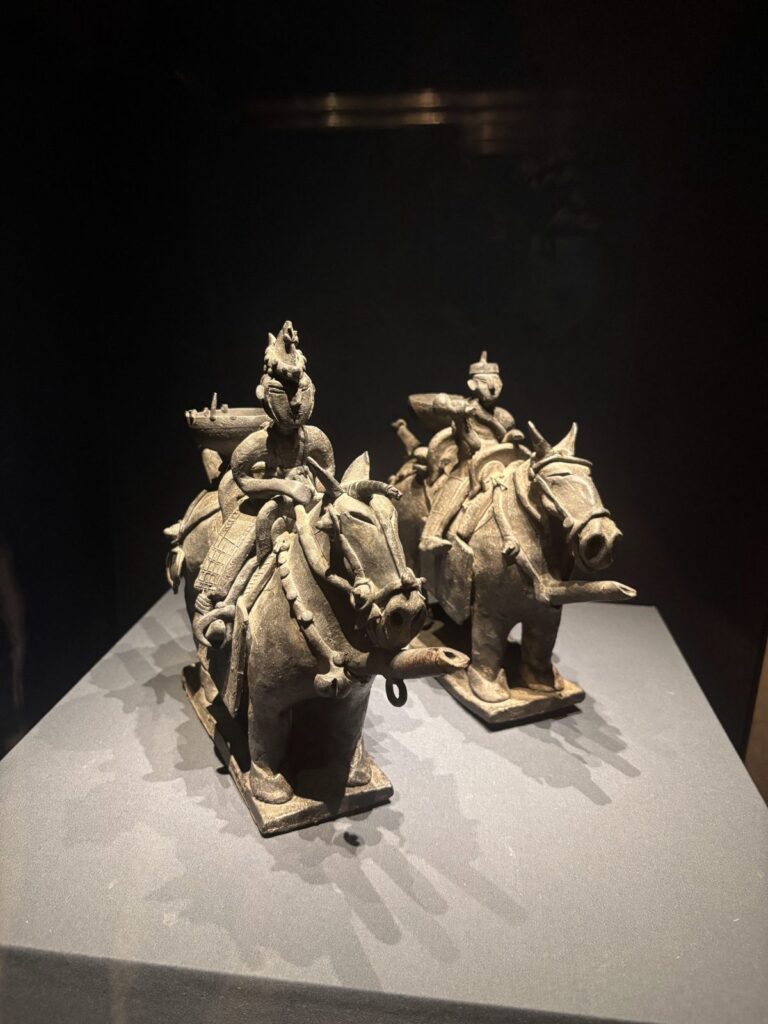
- Horse rider pottery (기마인물형 토기)
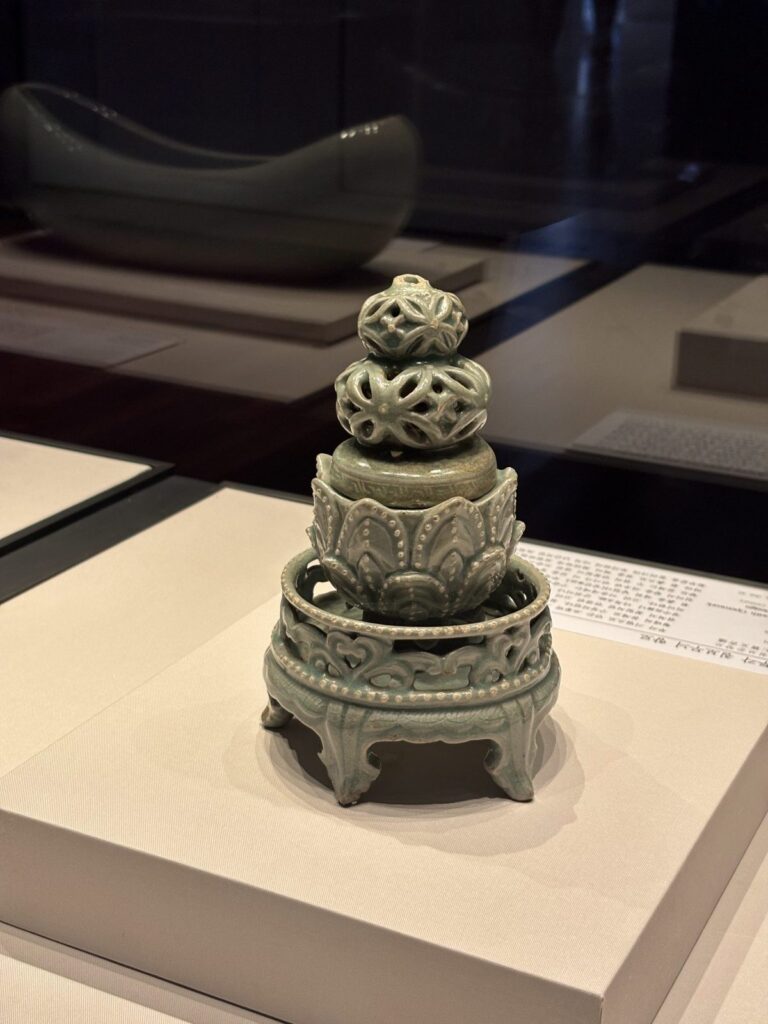
- Goryeo celadon (고려청자): the green pottery
Where to eat: Hansik Migwan (한식미관) food court
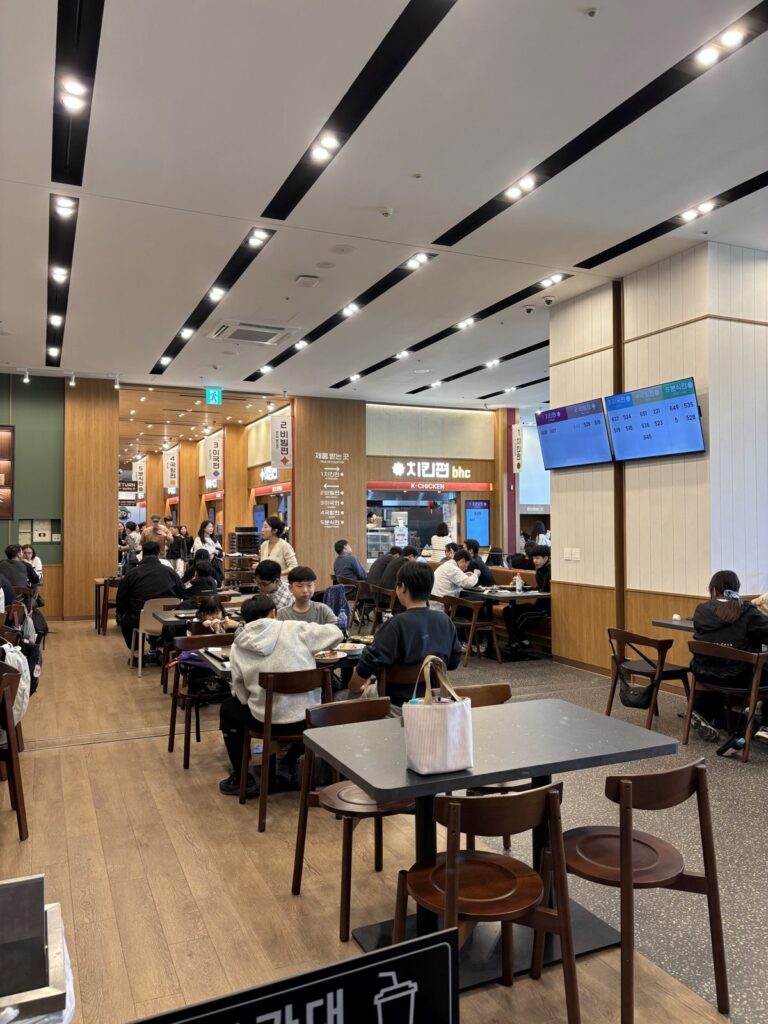
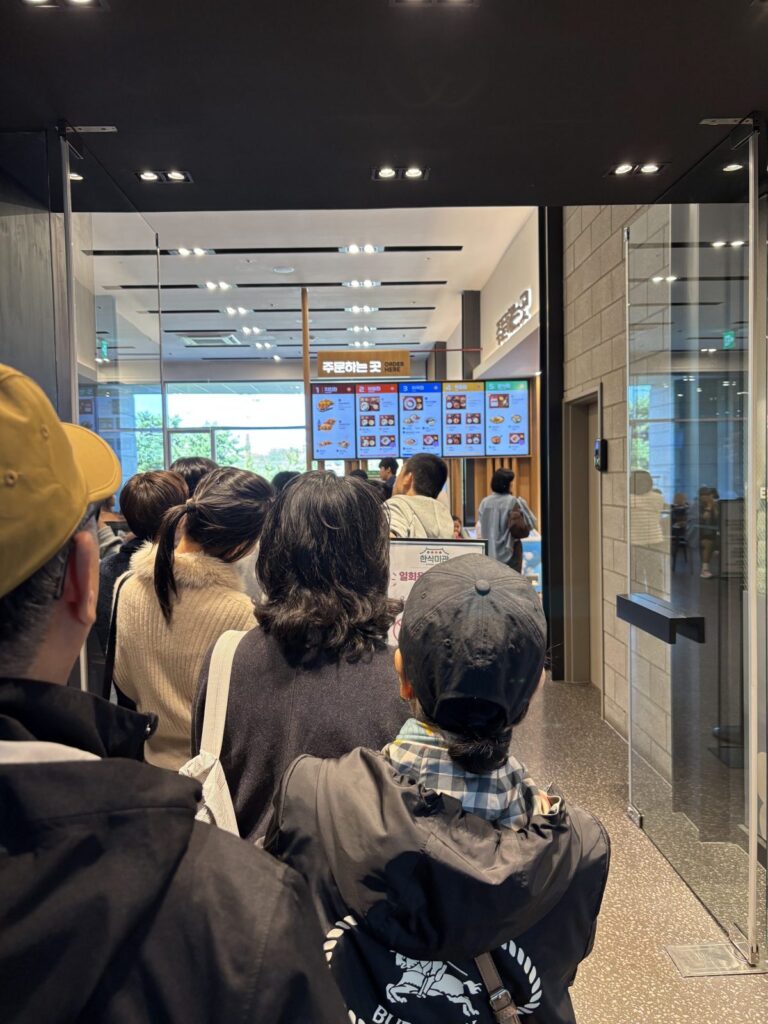
The food court is called Hansik Migwan, or "K-Food Village." It's good enough, and it's not too expensive for a place inside a big museum.
bhc (a big Korean chicken chain) makes the chicken here, including their famous Bburinkle (뿌링클) chicken. The taste was pretty good. Not amazing, but pretty good for the location and what you can get there.
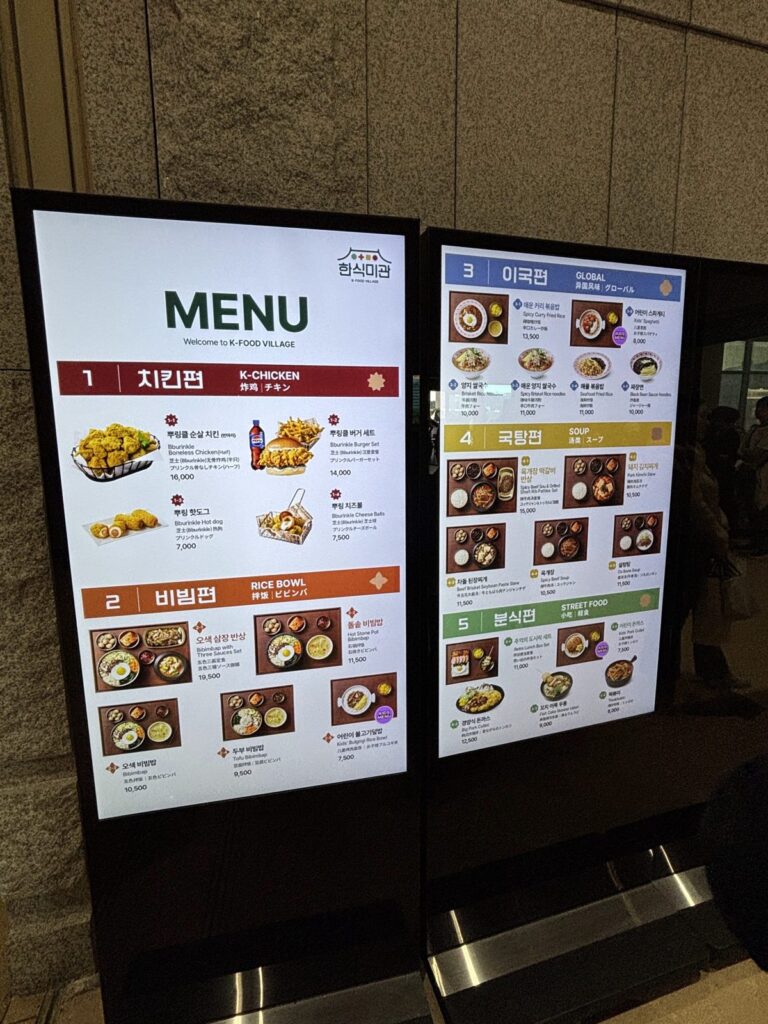
Prices (2026):
- Bburinkle boneless chicken (half): 16,000 won
- Bburinkle burger set: 14,000 won
- Bibimbap: 10,500 won / hot stone bibimbap: 11,500 won
- Jjajangmyeon (짜장면): 10,000 won
- Seolleongtang (설렁탕, ox bone soup): 11,500 won
- Tteokbokki (떡볶이): 6,000 won
- Kids' menu from 7,500 won
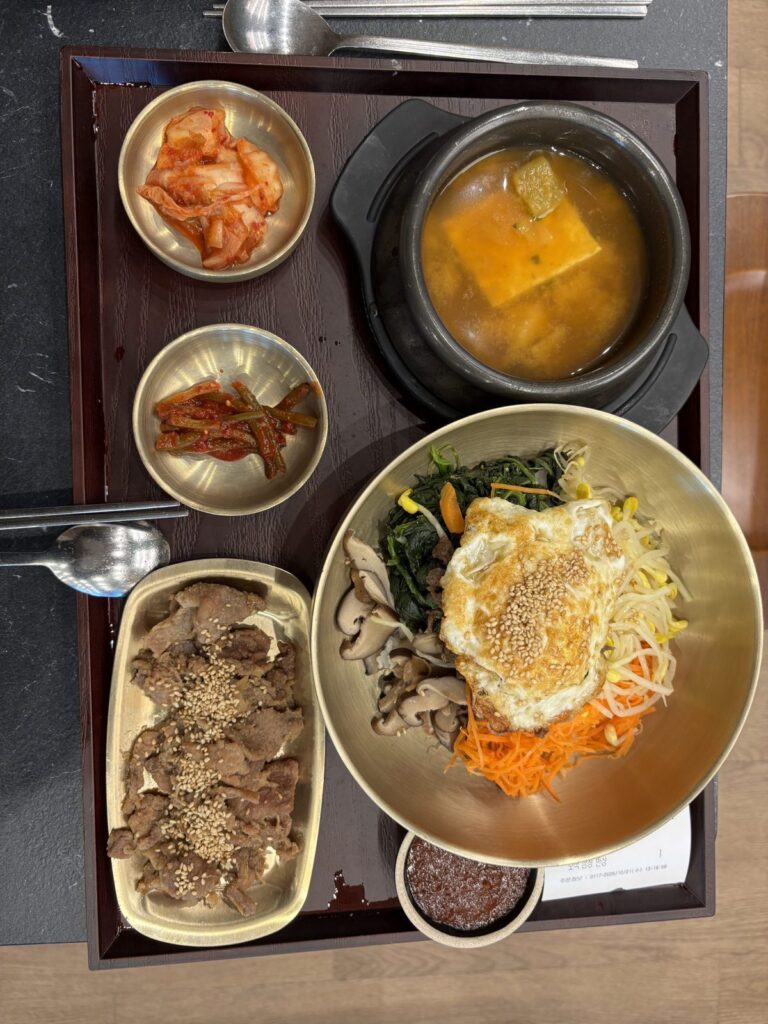
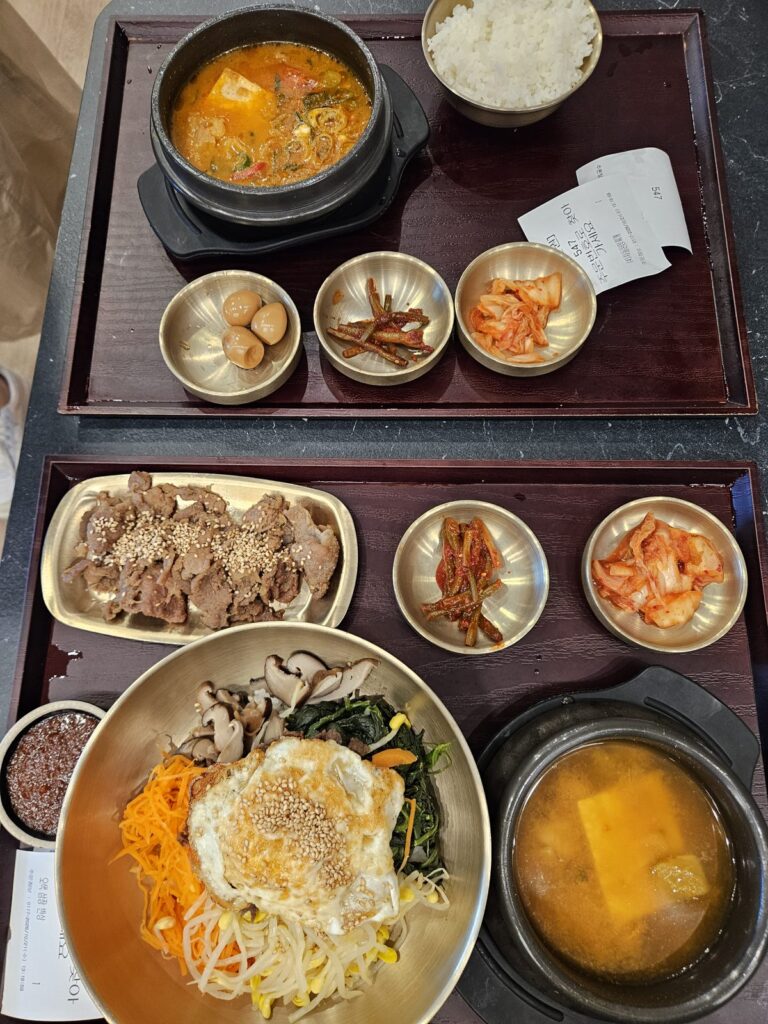
Most of the museum has English, but not quite everything. The menu boards have pictures and English, so ordering works. The entry rules at the door are only in Korean, so here they are in English:
- If there's a line, wait for staff to seat you.
- Your whole group has to be there to go in. You can't add people later.
- No re-entry, except to use the toilet.
- When there's a line, you can't change tables.
- No outside drinks in disposable cups. Tumblers are OK.
There's a spot near the entrance where you can leave your coffee, but I'd just finish your drink before you go in.
There's a line at lunchtime. Go before 12 or after 1:30.
Coffee: Ediya (이디야)
The Ediya café inside the museum is really nice, and the one on the 3rd floor has outdoor seating. Their Korean-style drinks are popular with foreign visitors, especially the black sesame latte.
Don't skip the Museum Shop (MU:DS, 뮤즈)
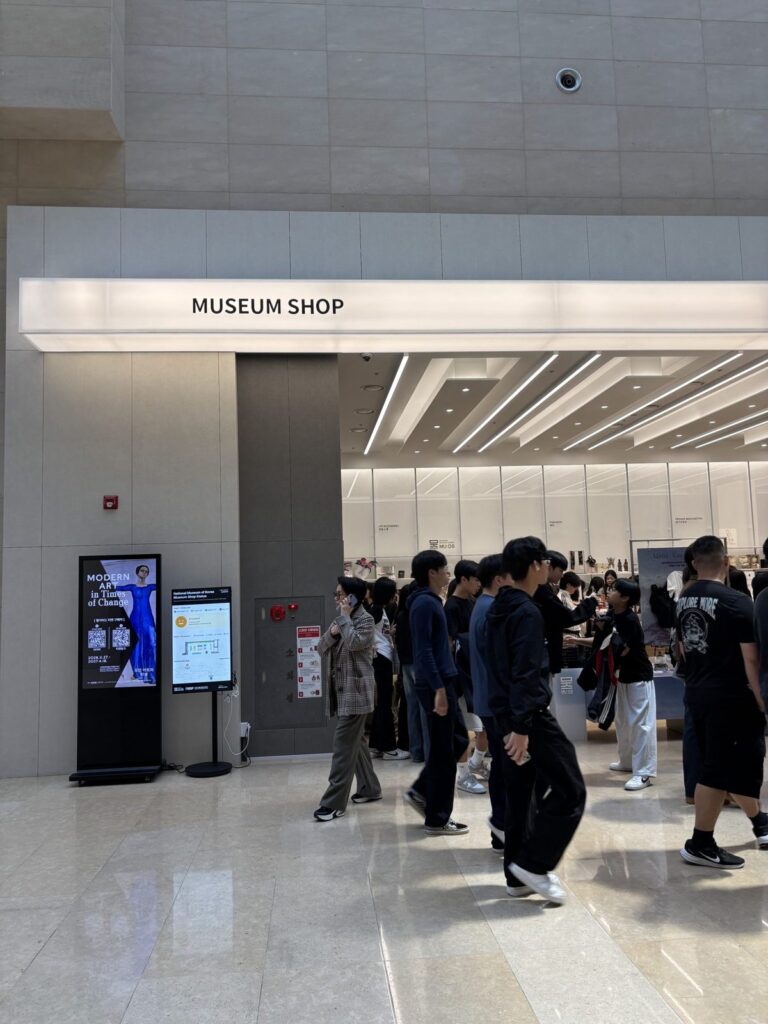
There are so many cool things in here:
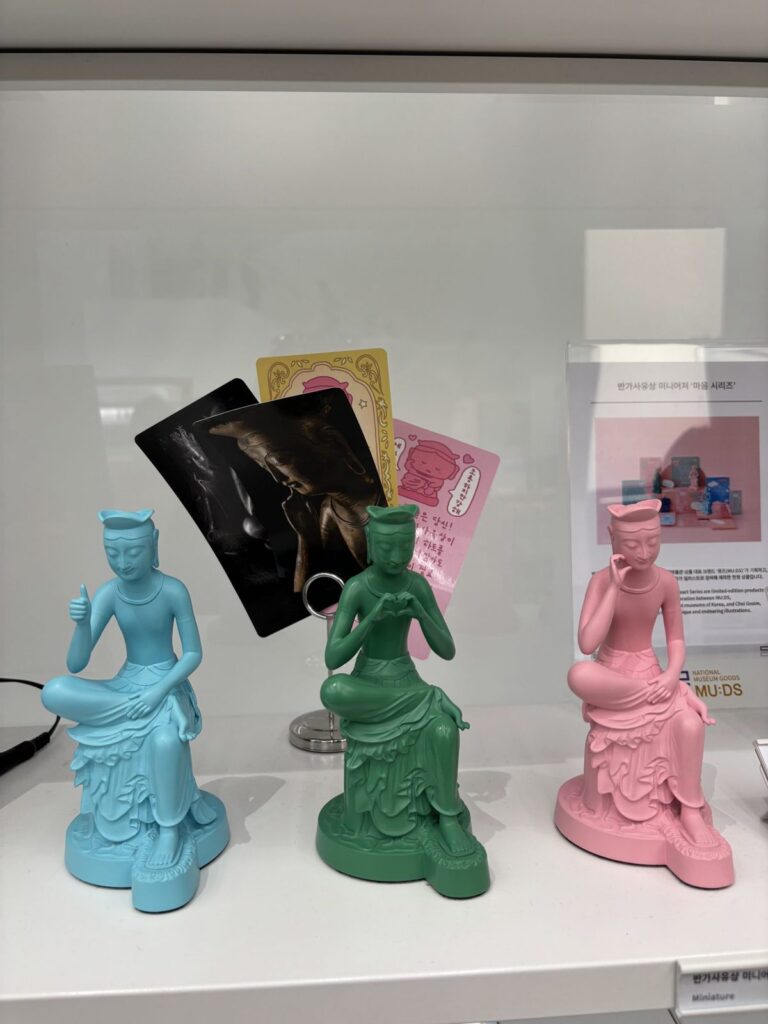
- Mini Pensive Bodhisattva figures in different colors
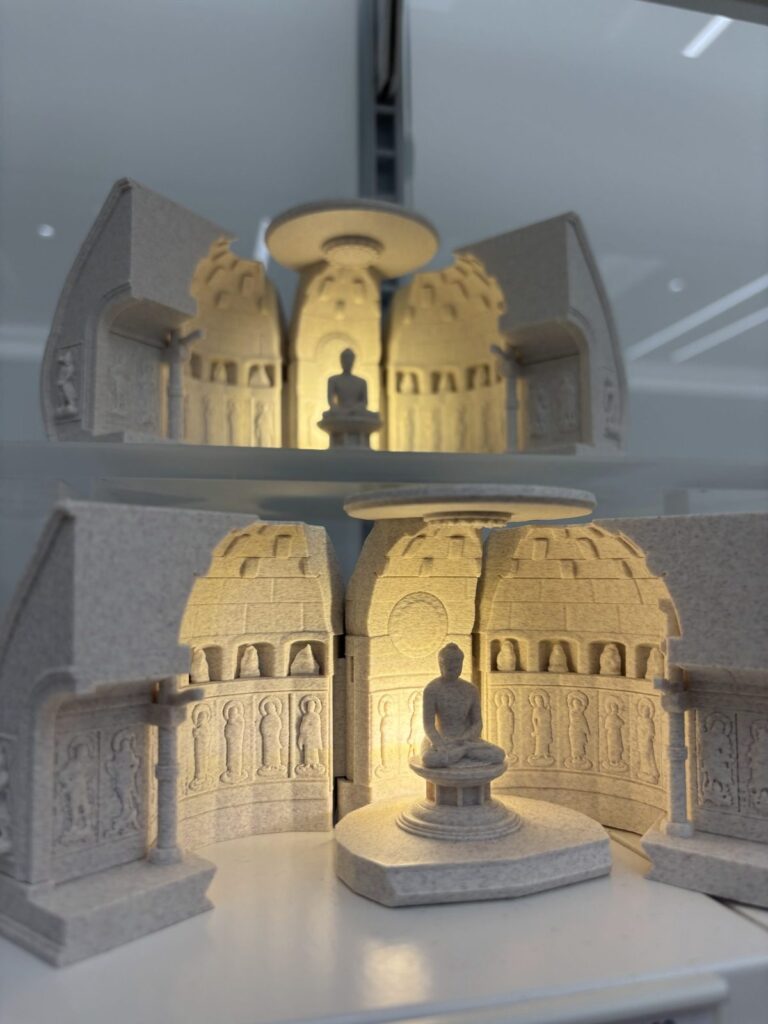
- A Seokguram (석굴암) grotto lamp (63,000 won)
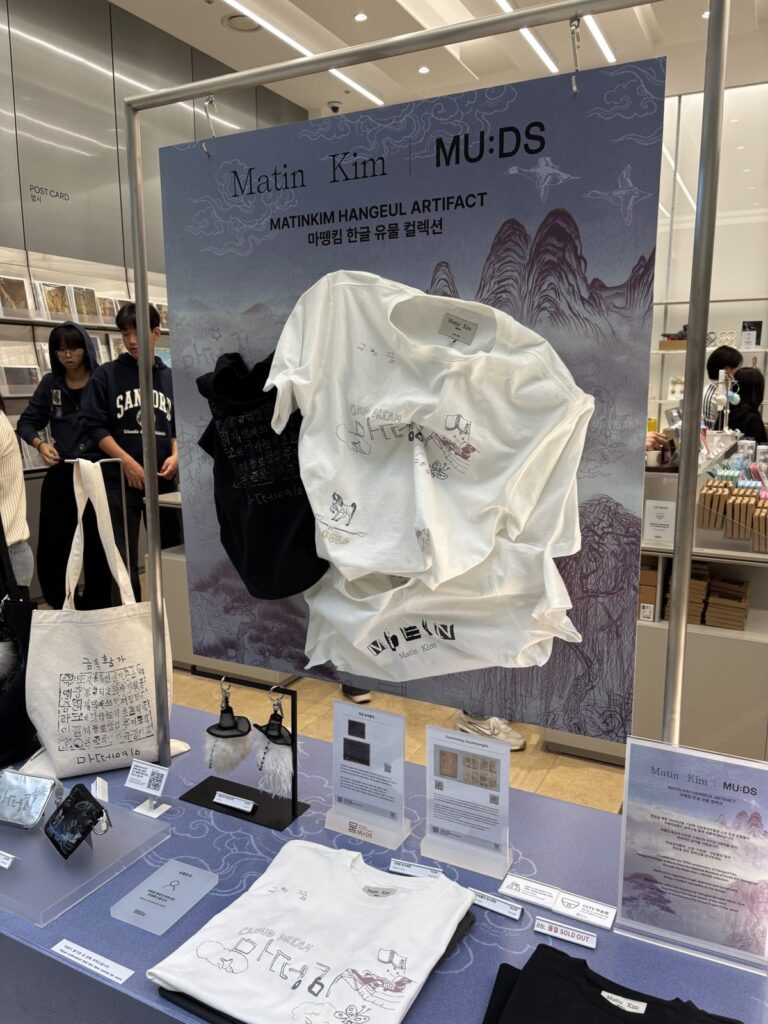
- Matin Kim × MU:DS Hangeul T-shirts and bags
- Prints and postcards of old Korean paintings
- Bookmarks, and soju glasses with designs like the king's royal robe (곤룡포)
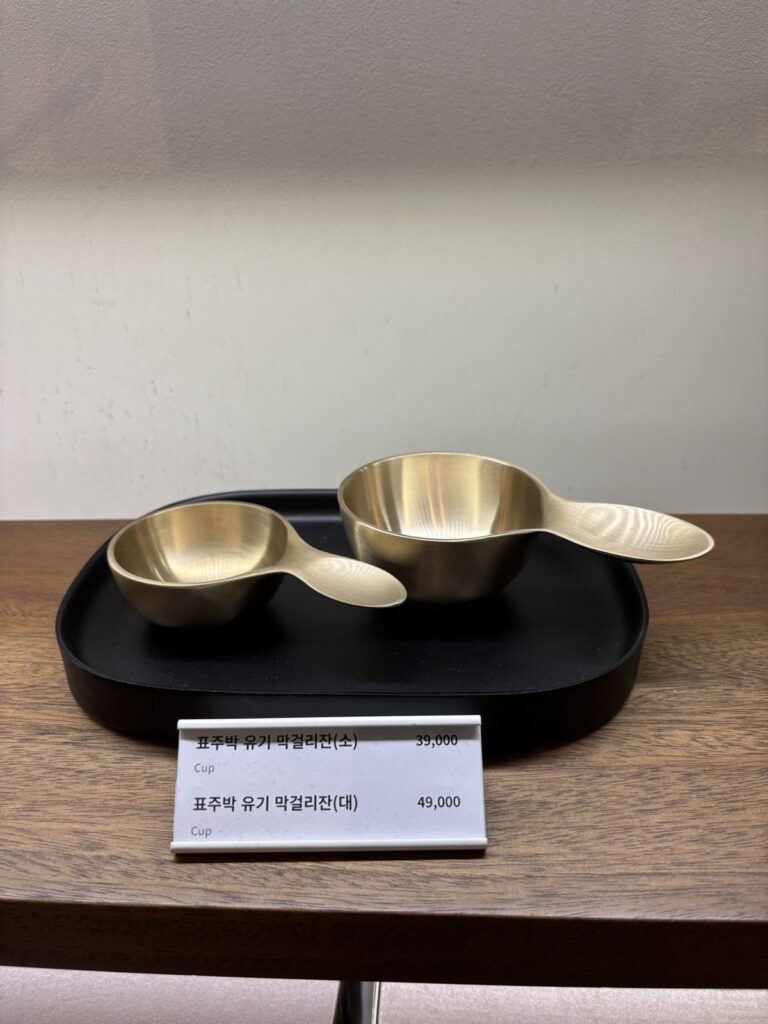
- Brass (유기) cups and tableware, from 39,000 won
Yongsan Park (용산공원) next door
If the weather is nice, walk over to Yongsan Park next to the museum. It's on a former US army base, and the Yongsan Children's Garden (용산어린이정원) part has been open to everyone since 30 December 2025, with no reservation needed.
Found this helpful? Here's everything I'd sort out before a Korea trip: the eSIM I'd get, the airport train, and where I'd stay. Some are affiliate links, so if you book through them I earn a small commission at no extra cost to you. It's what keeps these guides free.
Going to Korea soon? Grab my free Survival Korean cheat sheet with the phrases, signs and local rules you'll actually use. And follow @yunjaekorean for more honest Korea tips from a local.
Discover more from yunjaego
Subscribe to get the latest posts sent to your email.